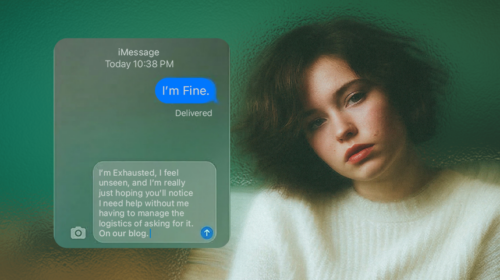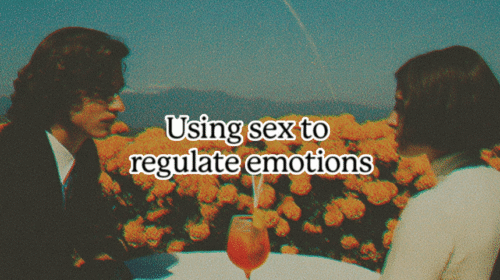
There is, at this point, a very specific kind of man who has taken over a sizable portion of the female imagination. He is emotionally restrained but deeply devoted. He has either a kingdom, a company, or a sword. He is usually feared by everyone except the woman he has decided to love with terrifying consistency. He yearns. He notices things. He is rich, wounded, competent, and somehow available.
This man lives in K-dramas, C-dramas, and romantasy novels, and he is doing numbers.
You may laugh at the absurdity, but the reason people keep coming back to these genres—to the tropes, to the battle-hardened general—has less to do with entertainment and more to do with how they help us tap into our emotional lives. They stimulate the feeling of being chosen. Being understood. Being prioritized.
Why do K-dramas and romantasy feel so real?
Over time, exposure to this type of media stimulation can shape how we think of our own relationships and how they compare to what we experience through media. The term “cultivation theory” was coined by G. Gerbner in the mid 20th century, and explores how high frequency viewers of television (present-day couch rotters) tend to believe media messages that are repeated are valid and real. For example, if every single time you opened a social media app it showed you only bad things happening in the world, you may start to believe that the world is evil, dangerous, and on the brink of total devastation (something that becomes especially relevant in current conversations around mental health).
Believe it or not, that same theory applies to Asian dramas and romance novels. We see repeated tropes—enemies-to-lovers, Cinderella story, the tired but reliable one-bed-at-the-inn, forced-proximity spiel—and become engrossed in worlds where people are flawed yet flawless, and every story has a happy ending. Add in the parasocial bonds that can form as a symptom of media consumption and you risk balancing on a razor’s edge of fiction and personal experience.
None of that is even inherently a problem, though. In a lot of ways, these genres are doing something genuinely helpful for their audience.
Why do these stories feel so emotionally satisfying?
Escapism, for one, is not always avoidance—it can also act as emotional regulation, especially for people struggling with anxiety or depression. Watching a drama or getting pulled into a book can give your nervous system a break from whatever your current reality is. These alternative worlds create a contained space that invites the viewer to feel fully without consequence. That’s part of why romantasy and romance novels, in particular, have been linked to bibliotherapy. These genres allow readers to explore desire, power, grief, and identity in a way that is immersive but still safe.
There’s also something very alluring about the way these stories handle relationships. They tend to center emotional attentiveness in a way that isn’t always modeled in real life. Emotional attentiveness is the female gaze, and we see it in classic literature, international films, and TV dramas.
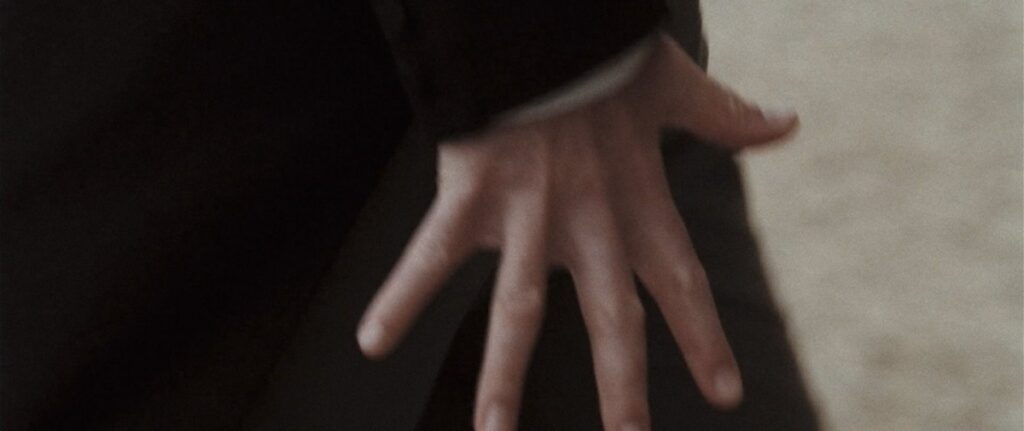
Mr. Darcy’s iconic hand-flex in Pride and Prejudice.
Xie Zheng’s longing gazes in Pursuit of Jade.
Prince Vladislav’s yearning for his wife through multiple lifetimes in Dracula: A Love Tale
Stories like this highlight characters who are single-minded in their determination to “get the girl”, because emotional vulnerability has a reward. Care can be expressed directly instead of implied, and even when the setting is absurd (like inside the tortured soul of a cold-hearted demon whose tree of life chakra has been frozen, making it impossible for him to love. Shoutout Love Between Fairy and Devil.), the emotional logic is often very clear.
And that clarity isn’t only comforting, but also instructive.
For some viewers, especially those navigating cultural or generational barriers around mental health, emotionally rich storytelling can open doors. Research on Asian American audiences has shown that Korean dramas, in particular, can help people better understand stress, illness, and emotional experience—not because they are educational tools in a formal sense, but because they make those experiences visible and relatable.
So no, the stories themselves are not the problem.
Can fiction affect how we see real relationships?
The problem starts when these stories stop being places you visit and start becoming where you go to feel understood.
If fiction becomes the most consistent place for someone to feel cared for, understood, or emotionally engaged, reality will become underwhelming by comparison. Not necessarily because the expectations of emotional consistency are absurd, but because fiction is designed to deliver emotional payoff in a way real life simply can’t compete with.
In these stories, love is central. It is intentional. It is uninterrupted by distraction, stress, or poor communication. The male lead may start as a closed off, morally-gray character, but the viewer understands from the beginning that the story will explore him becoming emotionally fluent. He will listen. He will remember. He will make it clear where he stands, even if it takes fifteen episodes or five hundred pages to get there.
Real people don’t operate that way. All of us are flawed and evolving creatures, and grace is one of the most valuable things you can offer someone in a relationship—but that doesn’t mean those emotional gaps aren’t being felt.
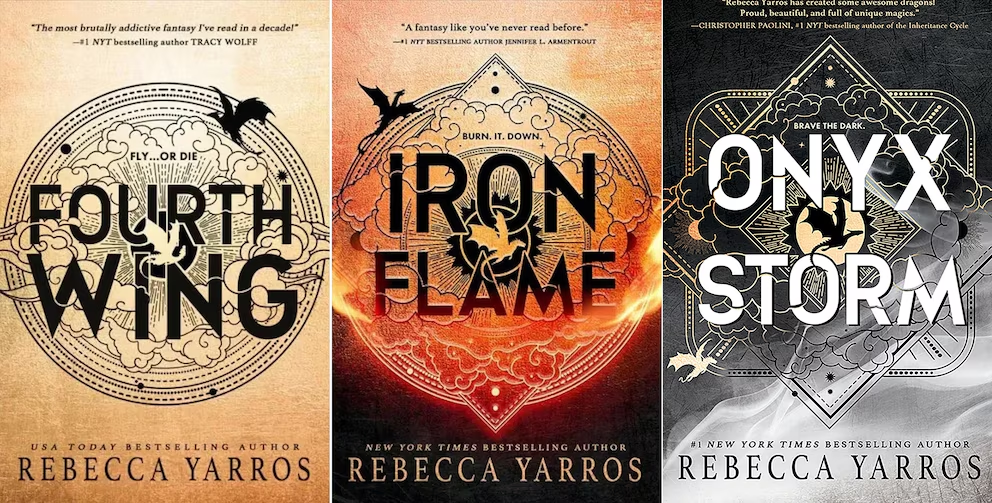
Romantasy readers, in particular, have started talking openly about how these stories raise their standards—not necessarily in terms of wealth or status, but in emotional presence. The appeal isn’t just that the character is powerful. It’s that he is attentive, expressive, and invested. For many women, that’s not a fantasy. It’s a reflection of something they want but don’t consistently experience.
The problem is that fiction compresses all of that into something seamless. You’ll have 300 pages of reading where no matter how many “off” days a character has, no matter how many mistakes they make, no matter how many times they say the wrong thing, you know you’re going to get an emotional payoff at the end.
The rich CEO trope in K-drama and C-dramas is another example. The fantasy isn’t just about wealth, it’s about capability paired with emotional focus. Someone who is in control of everything else but still chooses to show up, consistently and clearly, for one person.
When you see that over and over again, it’s hard not to notice when real relationships feel slower, messier, or less defined.
Then there’s the attachment that extends beyond the story itself.

Can fiction replace real emotional connection?
Parasocial relationships are a normal part of media consumption. You finish a show and miss the characters. You follow an actor’s next project. You become invested. That’s normal.
But in some entertainment systems, especially in parts of Asian celebrity culture, that attachment can come with higher expectations. Actors are often expected to maintain a certain image, remain emotionally accessible to fans, and avoid behavior that would break the illusion of the “perfect idol”. The same qualities that make the viewing experience feel safe and immersive for people outside of a show can create debilitating pressure for the people inside it.
For the audience, parasocial bonds offer a kind of emotional continuity. For the actor, it can mean a loss of freedom, or even safety.
If you love a fictional character or are invested in the career of the actors who play them, that’s pretty normal. But the limitations of that normalcy is still something you should be aware of.
So where does that leave us?
You don’t need to give these stories up, they’re clearly doing something for you if you keep returning to them. But it is worth paying attention to what they’re doing for you.
Are they helping you rest, process, and feel? Good.
Are they showing you what kind of care, attention, and emotional presence you actually value? Also good.
Are they becoming the place where all of your emotional needs are met, in a way no real person can compete with? Very bad.
And listen, your partner probably isn’t going to emerge from the mist to declare a lifelong devotion to you with perfect lighting, music, and dewy skin. But a worthy partner will learn to pay attention, to improve their communication, and to show up with clear intentions every day of your relationship. To radically choose love every single day is its own heroic tale.
These stories—whether you find them enthralling or absurd—don’t leave an impression because they’re realistic, they leave an impression because they’re revealing. They tell us what resonates, what feels good, or what’s missing.
That’s something worth paying attention to, without mistaking it for base reality.

Brandi Ganz
Brandi Ganz is the Lead Editor and Content Manager at Recovery Unplugged. With 10 years of experience working in and writing about mental health and addiction treatment, societal issues, and history, she ensures the quality and authenticity of written content at RU.
Read More