
The pelicans on the Folly Beach Fishing Pier don’t care what you did last weekend. At first light it’s just you, a rod, the surf slapping the pilings, and a thermos of coffee where the cooler used to be. Next week’s intensive outpatient (IOP) session is already on the calendar.
If your weekends used to mean boat days and sandbar parties, sober activities and sober hobbies around Charleston can keep you on the same water. The SC Department of Natural Resources (SCDNR) counts more than 335,000 registered boats in South Carolina in 2025, over 30,000 of them owned by Charleston County residents.
1. Fish the Folly Pier at First Light
Fishing at first light is easy to start here: from April through October, the Folly Beach Pier opens at 6 a.m. and offers rod rentals and a tackle shop on the pier, so you don’t need much gear. In a typical October, the Folly pier report on SCDNR’s saltwater pier page points to bull redfish, with black drum, bluefish and Spanish mackerel also around. A 5:30 alarm also means turning in early on Friday. Pier fishing keeps your hands busy with bait, casts and knots while your mind settles.
2. Kayak Out of Shem Creek
Put in at Shem Creek in Mount Pleasant and paddle away from the docks toward the marsh. Soon you’re sharing the water with wading birds and, if you’re lucky, a dolphin surfacing in the creek. Check the tide so you aren’t fighting the current on the way back, keep early trips short, and tell someone when you plan to be home.
3. Be the Sober Skipper
Every boat day needs someone to get everyone home. In recovery, that job can be yours.
The U.S. Coast Guard found that alcohol was the leading known contributing factor in fatal recreational boating incidents in 2024, cited in 20% of deaths where the cause was known. With eight boating deaths recorded statewide by late May 2026, SCDNR urged boaters to wear life jackets and designate a sober skipper. Sober boating makes you the person your friends trust with the wheel, and it gives you a clear answer when someone offers a drink at the sandbar: you’re driving.
4. Find the Quiet Water at Cape Romain
North of Charleston, Cape Romain National Wildlife Refuge extends 22 miles along the coast, a mosaic of barrier islands, salt marshes and winding waterways. Bring binoculars: more than 293 bird species have been recorded on the refuge, and bottlenose dolphins are commonly spotted in the estuary. Refuge beaches also have the largest nesting density for the northern population of threatened loggerhead sea turtles outside Florida. Because the islands and salt marshes are accessible only by boat, go the first time with a friend who has a boat or on a scheduled ferry trip to Bulls Island.
5. Walk or Bike James Island County Park
On James Island, the county park has about four miles of paved trails for walking, biking and skating, plus bike rentals. It’s an easy plan for a free Saturday afternoon, and a loop gives you a clear finish line.
If treatment is on your mind, intensive outpatient treatment lets you maintain daily life and return home each day.
6. Work Through the County’s Beach Parks
Charleston County runs three public beach parks, enough for a different shoreline three weekends running, and the Charleston County Park and Recreation Commission manages more than 11,000 acres, including beach parks, fishing piers, boat landings, and a marina. Start at Folly Beach County Park on the west end of Folly. Try Isle of Palms County Park on another weekend, an easy drive from Mount Pleasant. Save Kiawah’s Beachwalker Park for a long morning: it’s the only public beach access on Kiawah Island, with ocean frontage and a river view, and its lot usually fills by 10:30 a.m. in summer, so go early. Once you’ve done all three, keep going with the county’s fishing piers and boat landings.
7. Pick Up a Camera on the Water
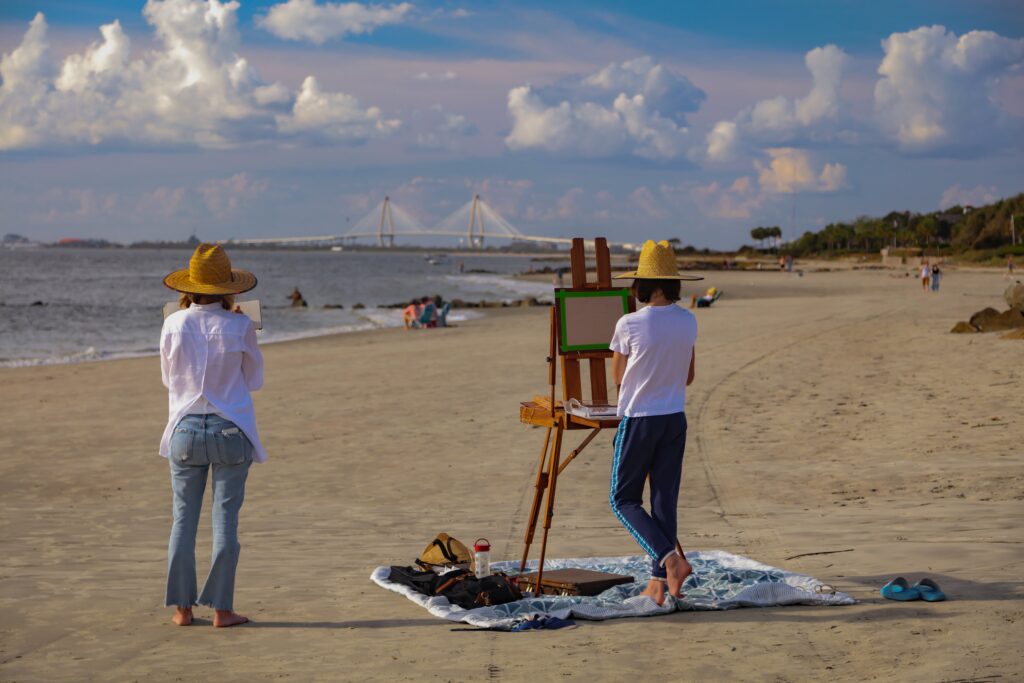
Sunset over the shrimp boats at Shem Creek, pelicans skimming the break off the Folly pier, the Morris Island Lighthouse, best seen from Lighthouse Inlet Heritage Preserve at the far east end of Folly: a phone camera is enough to start. Within a few weekends you start reading light and tide, and you learn to wait for a heron holding still in the marsh.
8. Make Music Part of Your Downtime
Music can fill the evenings and car rides that drinking used to, and in treatment with us, music-assisted sessions already give people a way to work through what’s been hard to put into words. Build a playlist for the drive to the boat landing, one with nothing from the old party soundtrack. Pick the guitar back up, even if your fingers have forgotten most of the chords, and learn one song all the way through.
9. Build a Crew for Saturday Morning Sober Activities
A friend who’s also sober makes an early pier morning easier to show up for, and gives you someone to text when the afternoon gets long. Peer support and community groups around Charleston are good places to meet people who want that kind of weekend. Your old boat friends deserve a straight answer too, and “I’m not drinking these days, but I’ll drive” usually covers it. Our piece on what the first year after treatment looks like covers why staying connected matters.
10. Plan Sunday Before Saturday Ends
Before bed on Saturday, pick Sunday’s activity, the place, who’s coming and how you’ll get home. Give the day a start time, an end time, and one person you’ll text if the afternoon turns. With the plan written down, names and times included, the decisions are made before Sunday gets long.
When you’re ready, our South Carolina team can talk through a start date and a weekend plan with you.
What to Do Next
A quick, honest self-check:
- Do weekends bring the drinking back, even after a good week?
- Do boat days or beach days feel hard to imagine without drinking?
- Has someone close to you started planning around your drinking?
If you answered yes to any of these, outpatient treatment in South Carolina can fit your life. PHP (partial hospitalization, our most structured outpatient option) is based in North Charleston, and you go home each night. IOP allows for managing work, school and family obligations. Virtual IOP reaches you anywhere in the state, as long as you’re physically in South Carolina during sessions. If you’re considering treatment for the first time, these five things to know before you start may help.
What Recovery Unplugged’s South Carolina Program Looks Like
Our North Charleston partial hospitalization program (PHP) involves no overnight stays, so you keep living at home while you’re in treatment. We also offer intensive outpatient treatment (IOP), a step down in intensity, and a virtual IOP for people physically located in South Carolina. Music-assisted treatment is part of PHP, IOP and virtual IOP. Detox and residential care are not available in South Carolina yet. Our admissions team is available around the clock.
Frequently Asked Questions
What are good sober activities to start around Charleston?
Pier fishing at Folly, kayaking from Shem Creek, and trail loops at James Island County Park need little gear, and you can do all three alone or with one friend.
Can I do outpatient treatment and keep my weekend hobbies?
Outpatient treatment means you keep living at home, so pier fishing, paddling and beach mornings can stay part of your life. Our team can walk you through how intensive outpatient care works and how sessions would fit around your plans.
How do I tell my fishing or boating friends I’ve stopped drinking?
Keep it short and offer something: “I’m not drinking, but I’ll drive the boat.” You don’t owe anyone a long explanation.
What are good sober weekend ideas if I don’t fish?
Paddle a calm creek, walk a trail, photograph the marsh, or work through the county’s beach parks one weekend at a time.
Is it illegal to operate a boat after drinking in South Carolina?
Yes. South Carolina law makes it unlawful to operate a moving motorized boat or sailboat while under the influence of alcohol or drugs. SCDNR enforces boating law in the state, and its boating pages link to current regulations and safety information.
What if my weekends are when I’m most tempted to drink?
That’s common. Tell your treatment team, plan the riskiest hours first, and keep one person on call.
Back on the Pier
The sun comes up again over Folly. The cooler is gone, the line is still in the water, and next week’s session is on the calendar.
If you’re ready to start treatment and want help planning the weekends around it, we’d love to talk it through whenever suits you.