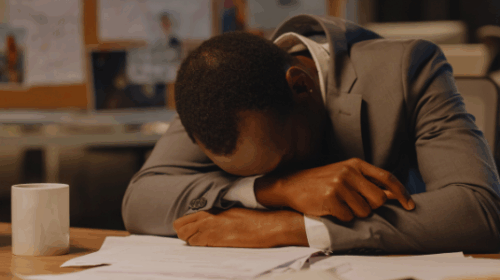
Construction workers build the homes, roads, and cities the rest of us rely on every day. But despite being known for physical toughness, this workforce is facing a growing crisis that has nothing to do with job-site hazards.
The most dangerous part of working in construction isn’t the machinery, heights, or the heavy materials. Report after report suggests that the real danger lies in the pervasive use of substances—and the culture that makes using feel like a viable solution.
Data from the CDC shows that construction workers overdose at seven times the rate of the general population, and die by suicide at four times the rate. It’s one of the clearest, most alarming disparities in the American workforce—one that’s been growing for over a decade, and one that the treatment community cannot ignore.
A Crisis in Plain Sight
In 2023, the U.S. recorded 108,000 overdose deaths and 50,000 suicides nationwide. The ratio in the general population is roughly two overdoses for every suicide. In construction, that ratio is three to one
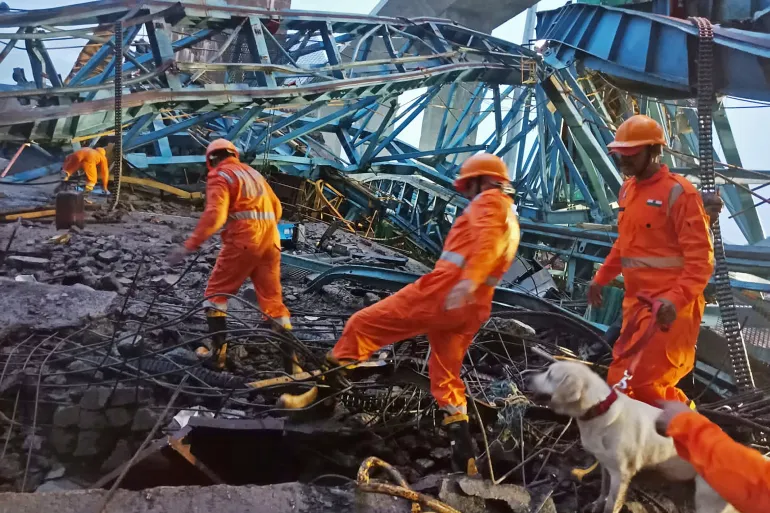
Between 2022 and 2023, the construction industry lost 16,000 workers to overdose and another 5,000 to suicide. During that same time period, fewer than 1,000 workers died from on-site accidents.
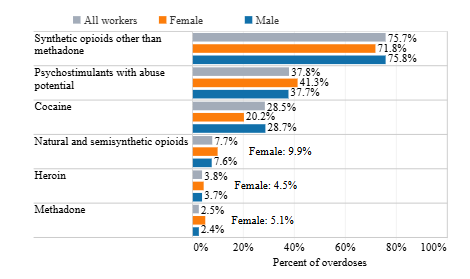
Statistically, construction industry workers are 22 times more likely to die from suicide or overdose than they are from a workplace accident. And among overdose deaths in this workforce, roughly 75% involve fentanyl-related poisoning. For an industry built on safety briefings, stand-downs, and daily toolbox talks, there still exists no standard space to talk about the risks that are actually killing workers. If we can normalize conversations about fall protection, trench collapse, and PPE, why can’t we talk just as openly about substance use and mental health?
The Pipeline to Addiction
Construction is one of the highest-risk industries for musculoskeletal injuries, including chronic back pain, joint problems, traumatic fractures, and repetitive strain injuries. These conditions require rest, rehabilitative care and, sometimes, pain management medications.
Workers who receive medication for musculoskeletal injuries are ten times more likely to develop a substance use disorder, and new evidence from the Massachusetts Department of Public Health shows that people injured at work are 35% more likely to die from an overdose later in life.
This isn’t surprising when you look at working conditions. Only about 56% of construction workers have access to paid sick leave. Missing work means missing income, and workers’ compensation usually covers only two-thirds of a paycheck. If you have bills to pay and a family to feed, popping a pill (or something stronger) to keep yourself working becomes a viable solution for many people.
Younger and Female Workers Face Unique Risks
One of the most concerning trends is among younger workers. Those aged 16–24 in construction are three times more likely to die by suicide than other age groups. This age range is also where risky drinking is at its highest.
Women in construction, who already face isolation and harassment at disproportionate rates, show higher overdose rates than men for multiple drug categories—reversing the national pattern where men typically lead in overdose deaths.
Where Construction Companies Can Make a Difference
Industry surveys show that 59% of firms offer at least one mental health or substance use resource, but peer support—one of the most effective and culturally resonant interventions—is still rare. Meanwhile, 38% of company leaders are unsure if mental health programs would help their workforce, suggesting an opportunity for education, partnership, and tailored programming.
How Recovery Unplugged Can Help
Recovery Unplugged provides treatment for substance use, mental health, and chronic pain supported by in-person and virtual services that align with workers’ needs. What we see clinically mirrors the data: prolonged strain, unresolved injury, and limited support can push workers toward crisis.
Including these realities in safety discussions isn’t optional. It improves outcomes by acknowledging risks that are too often left unspoken. Recovery Unplugged can help you get started.
The construction workforce has long understood how to prevent falls, crush injuries, and electrical hazards through consistent training and shared language. Applying that same structure to mental health and substance use is a natural next step. When the industry treats these risks with the same seriousness as physical safety, more workers stay on the job, stay connected to their families, and stay alive.

Brandi Ganz
Brandi Ganz is the Lead Editor and Content Manager at Recovery Unplugged. With 10 years of experience working in and writing about mental health and addiction treatment, societal issues, and history, she ensures the quality and authenticity of written content at RU.
Read More